
PRINCIPLES IN PRACTICE
Learning to live well, with life.
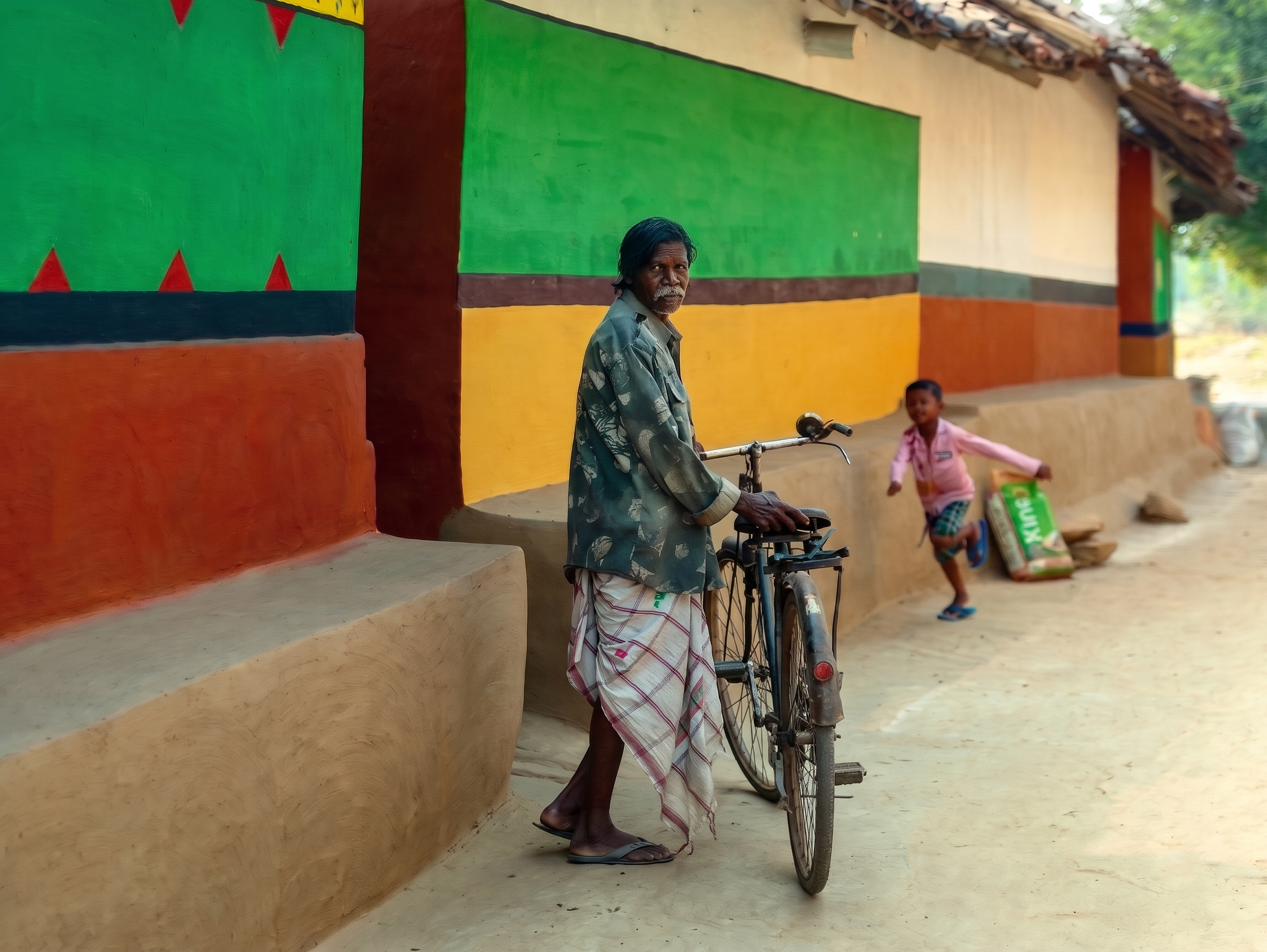
What we grow, make, use and leave behind connects us- to people, materials, places and the natural world.
Kora is a design and research practice learning with people, materials and places. We explore ways to strengthen local skills, livelihoods and the relationships that make living ecosystems possible.
A QUESTION THAT GUIDES US
What does it mean to live well?
Living well begins with awareness of what we eat, drink, wear, make and use and of the places we inhabit.
We often decide what is good through a label, a certification, a brand, an image or someone else's recommendation. But how much do we really know about the things we depend on every day?
Understanding asks for more than looking. It asks where something comes from, who made it, what went into it, how it serves us, how it is cared for and what happens when it is no longer useful.
We can learn by doing things ourselves, or by building relationships with people whose knowledge and practice we trust. Both require time, attention and participation. This thought has gradually shaped the way we work.
“We are not separate from nature. We are nature. The way we live, make and consume is part of the same living system.”
A WAY OF ENGAGING
Hand-grown. Hand-made. Hand-built.
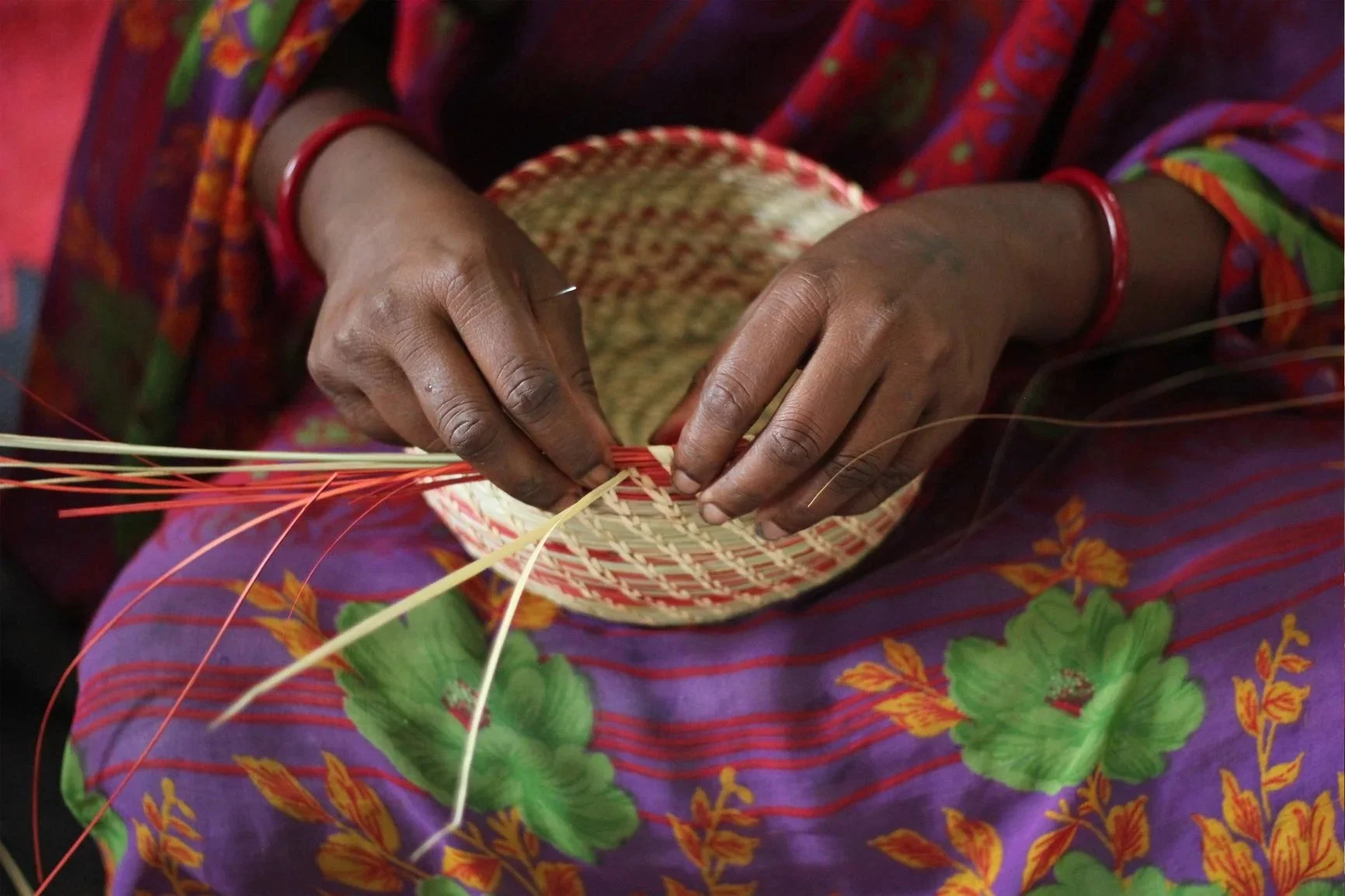
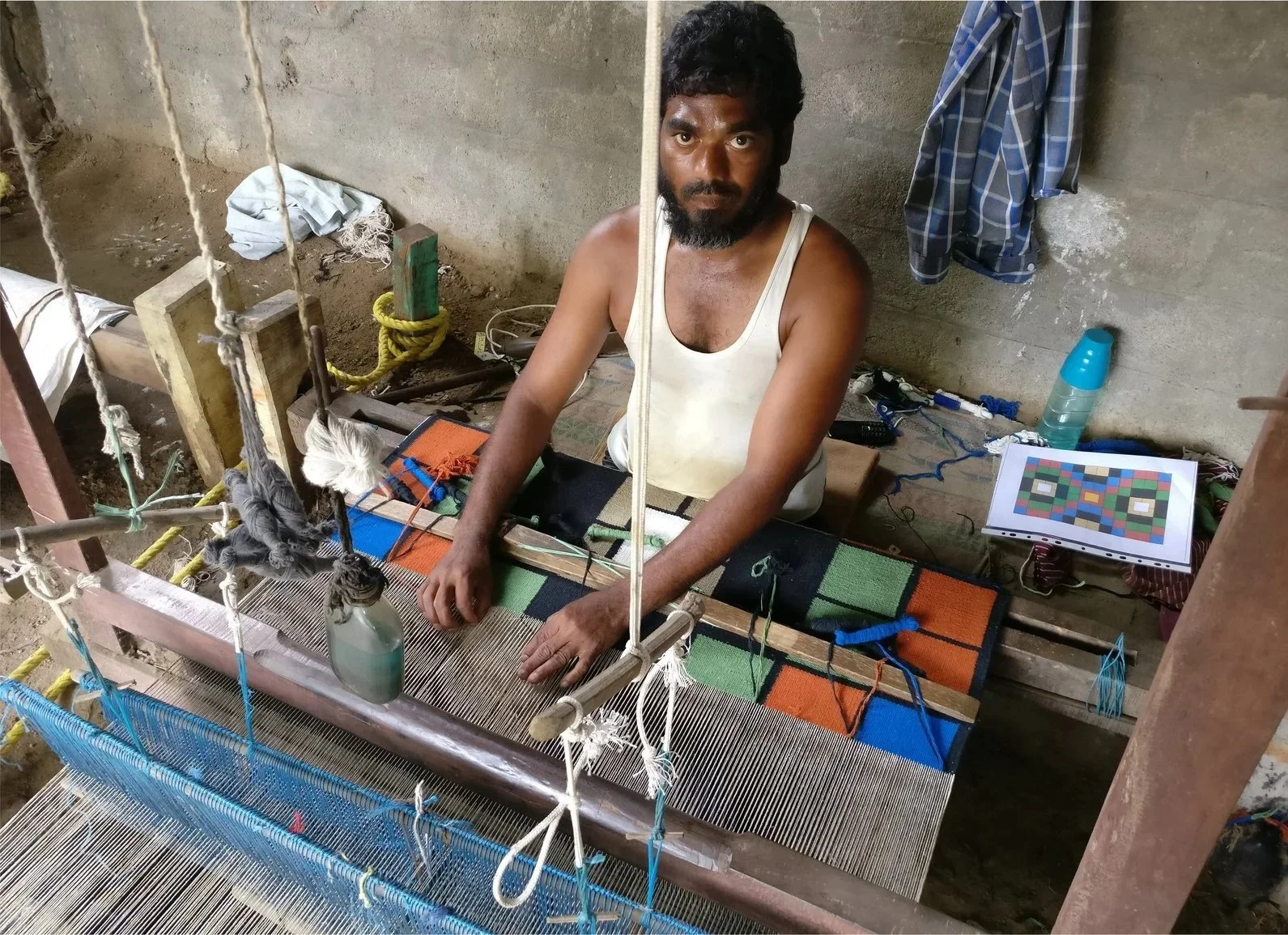
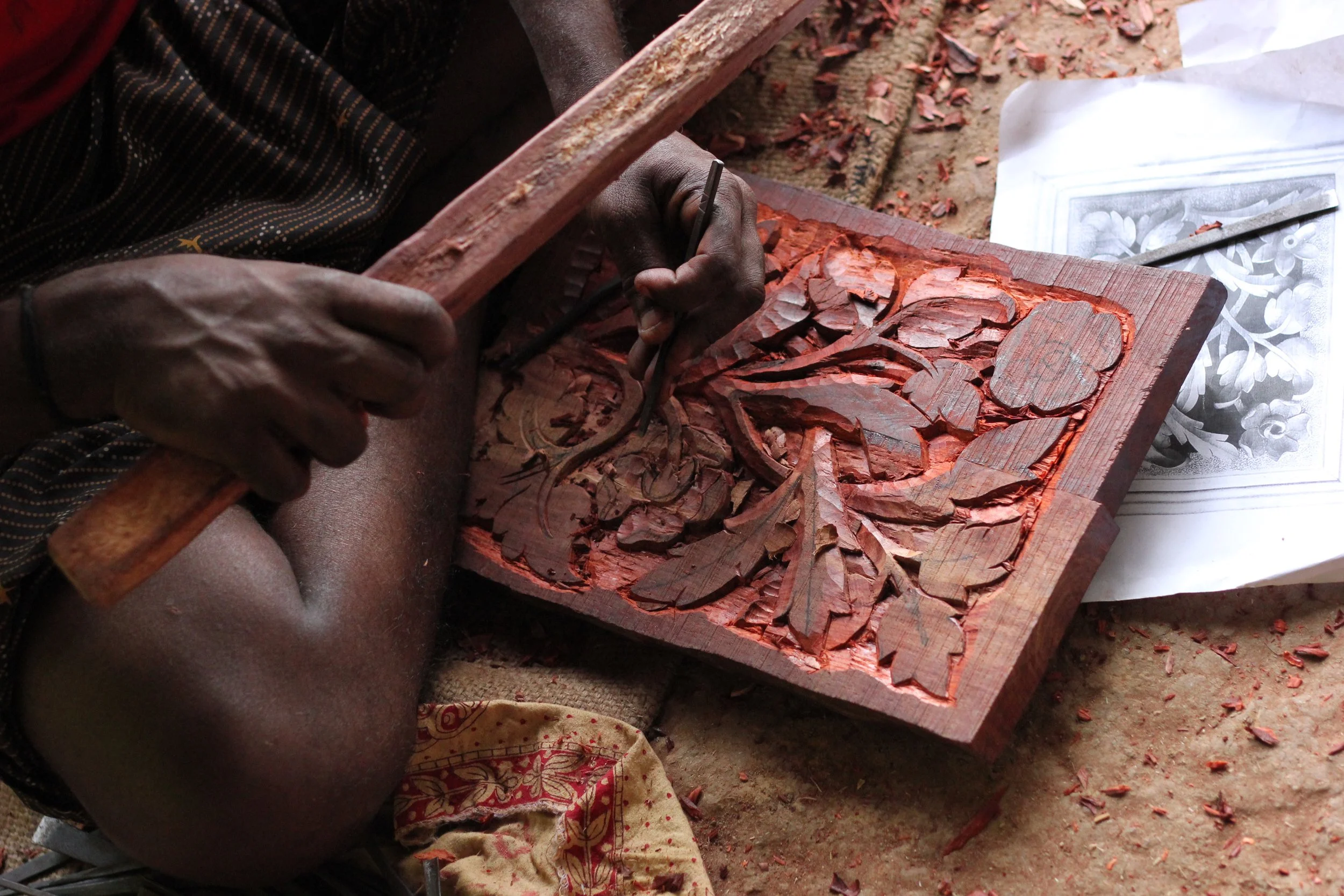
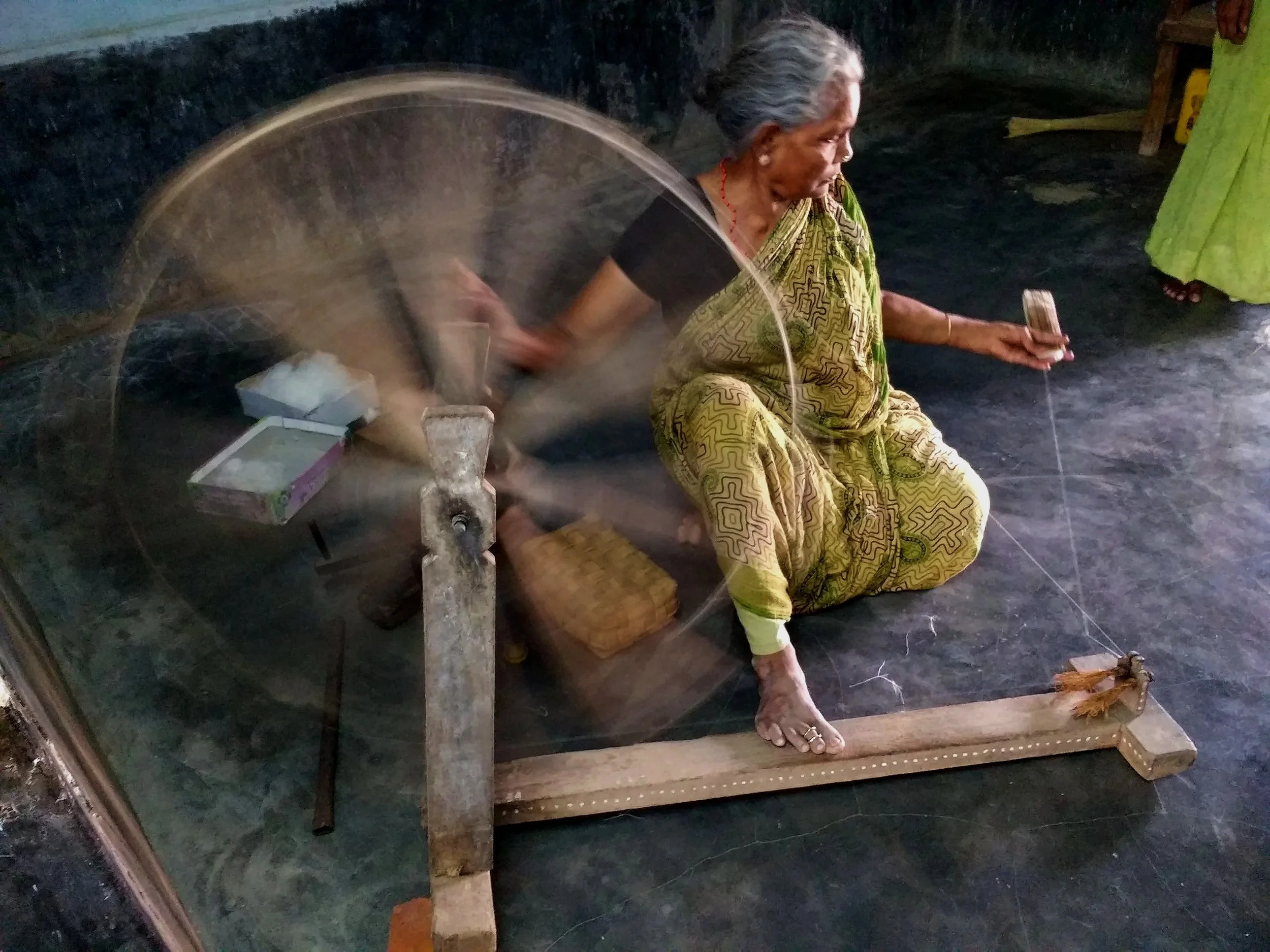
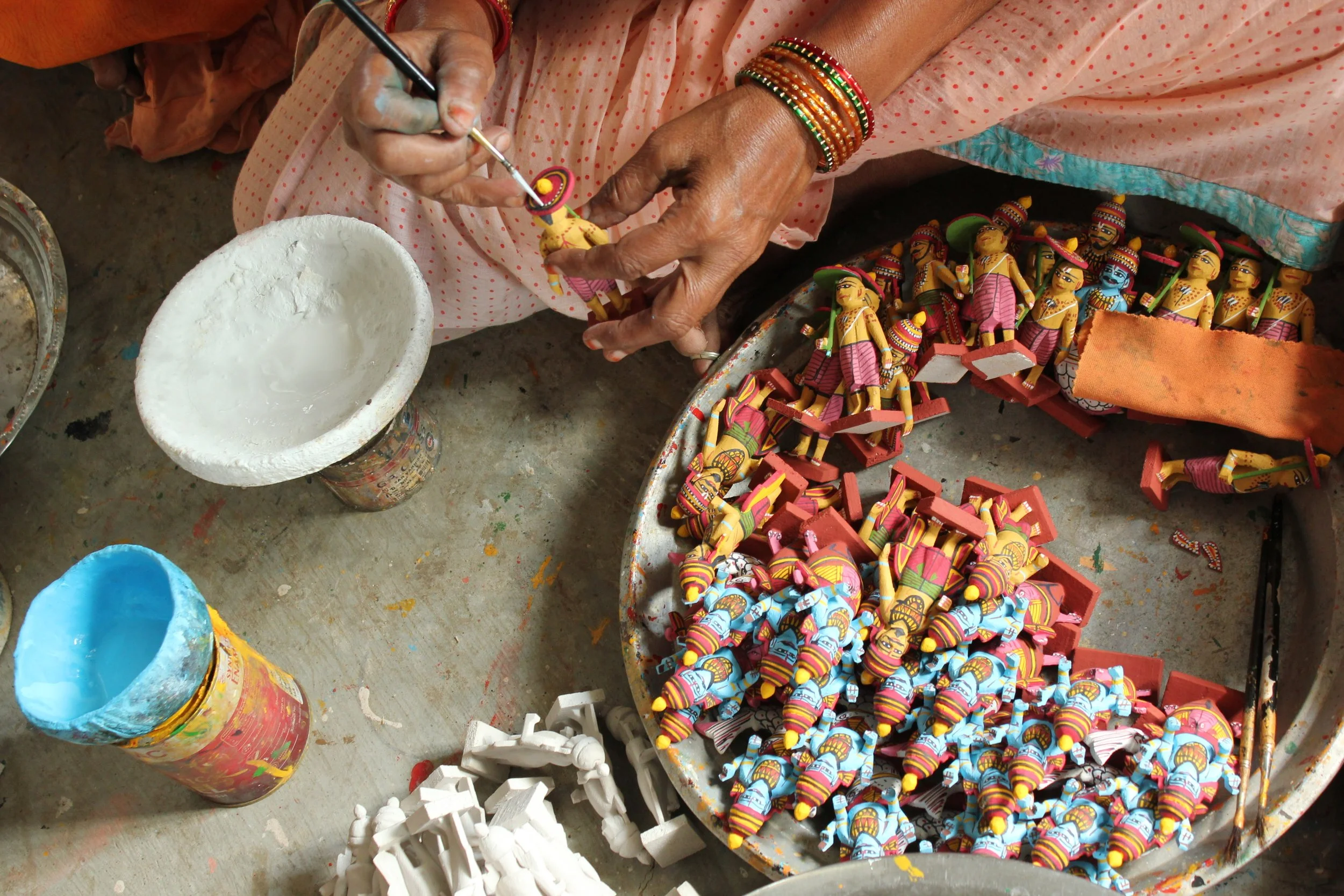
We want to bring people closer to the things they depend on. To grow, prepare, repair, make and build with our hands is to understand materials through direct experience.
Handwork is not simply a way of producing beautiful objects. It is a way of learning: observing how a material behaves, recognising its limits, making adjustments and developing judgement through practice.
What matters is not only what is made, but how a person engages with the work—the care, intention and understanding they bring to it. These qualities shape the object, the process and the relationships around it.
WHERE WE ENGAGE
Learning with materials, people and places.
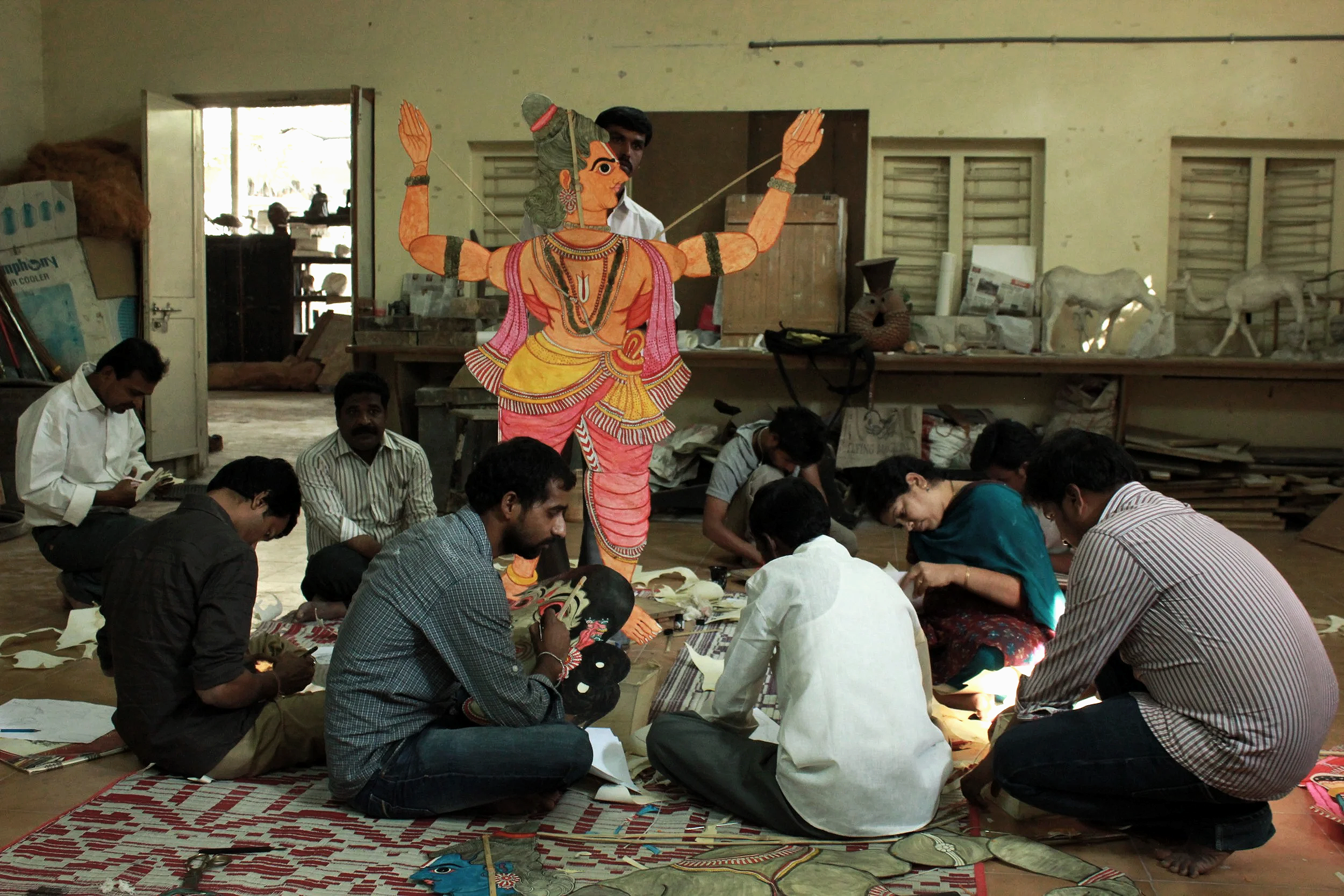
Kora's work has grown through direct engagement with farmers, spinners, weavers, craftspeople, students and communities. We observe, practise, experiment and document- working with the people who hold the knowledge and live with the realities of each place.
Our current work is rooted in textiles and crafts, while the questions it raises take us towards farming, housing, everyday materials and other ways of living.
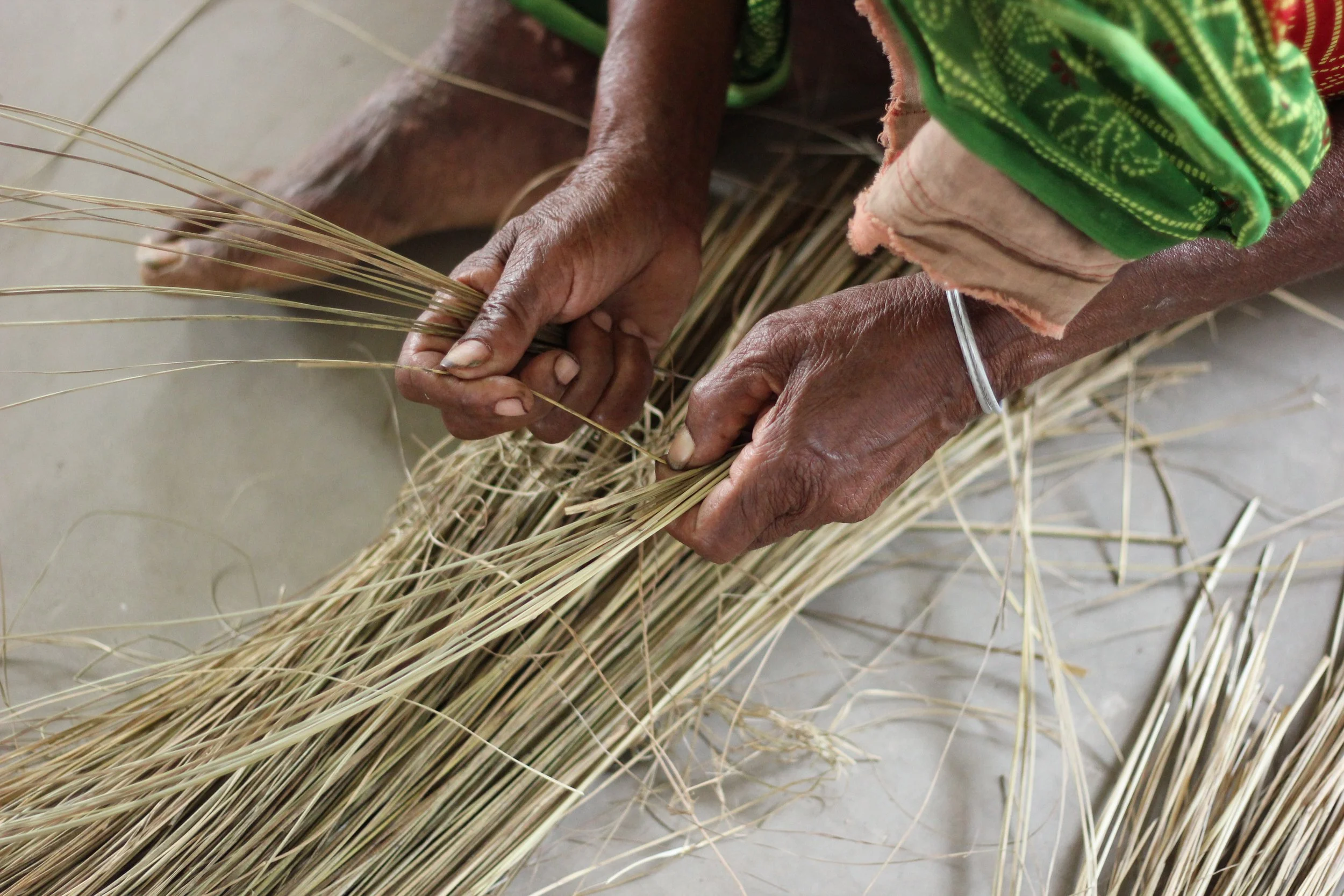
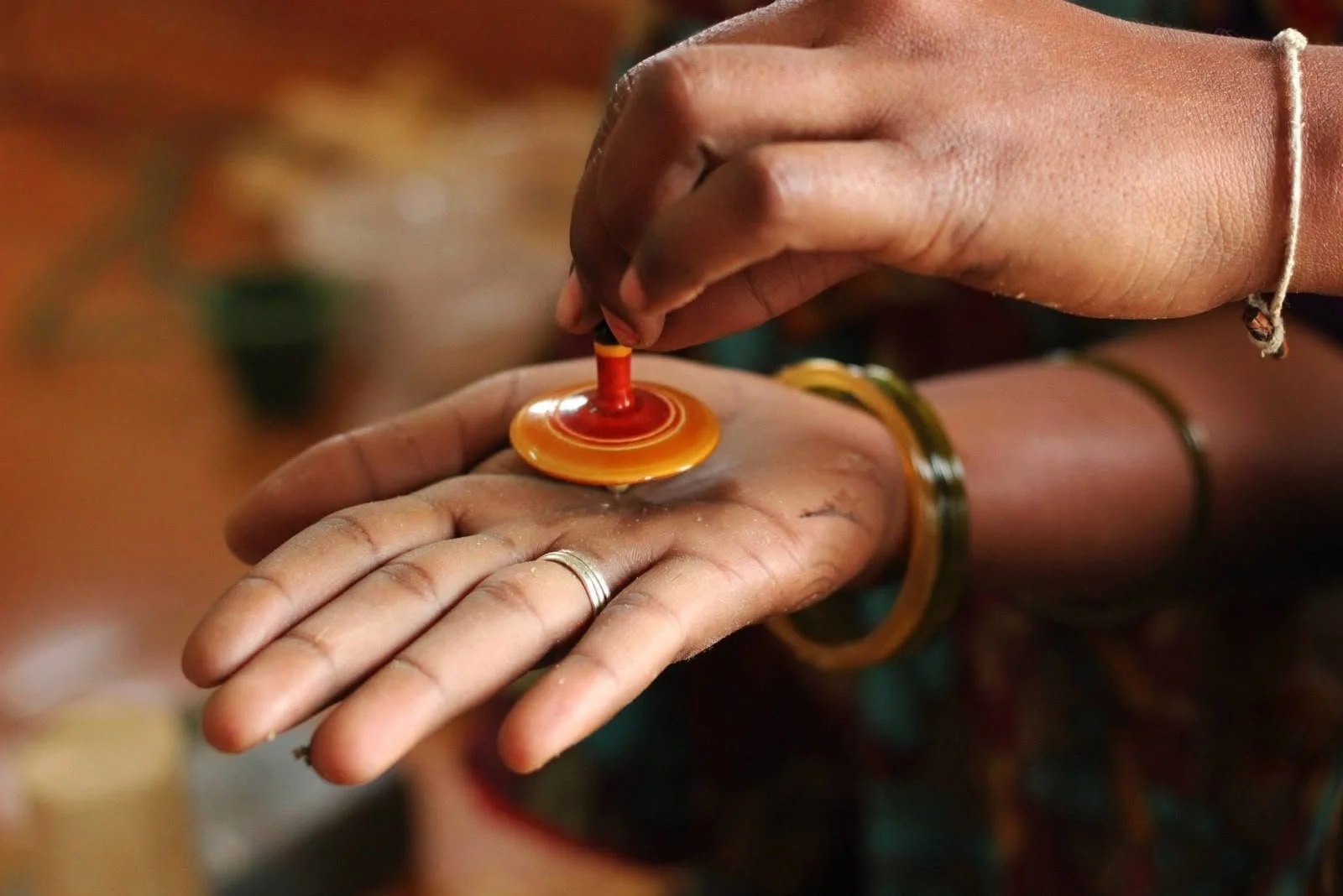
Indigenous fibers and textile ecosystems
Craft, materials and traditional skills
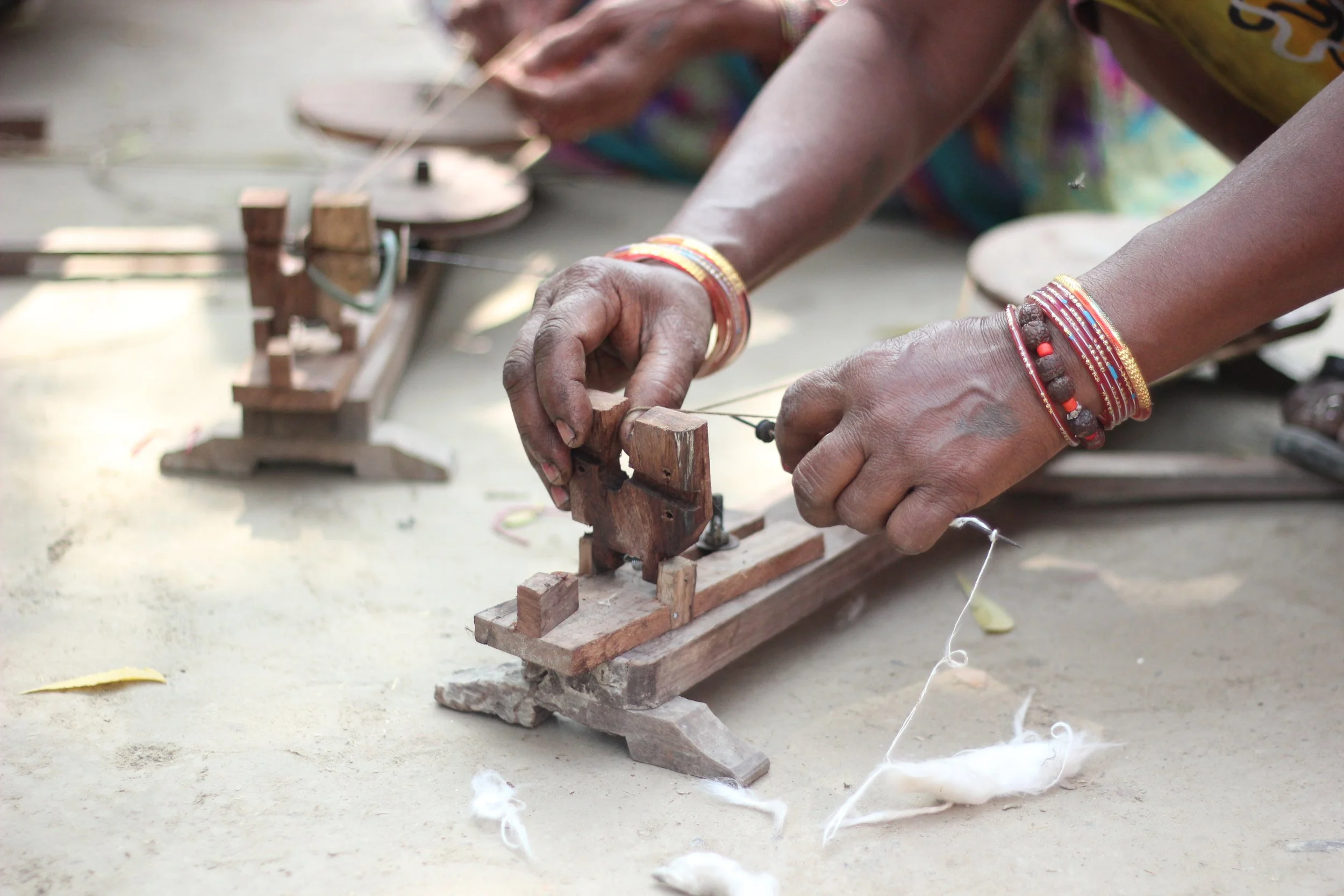
Local resources and appropriate technology
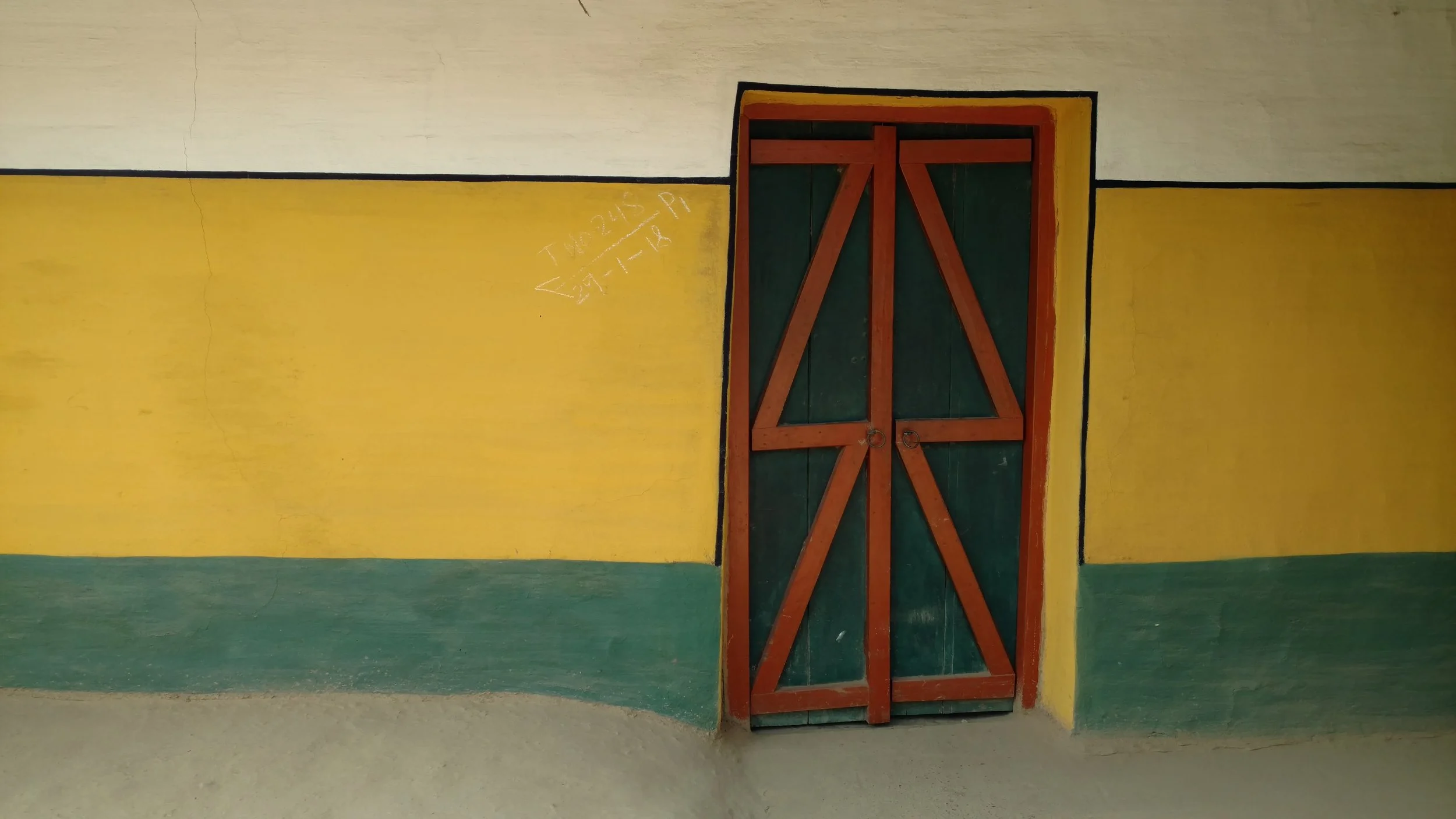
Farming, housing and everyday living
PRINCIPLES IN PRACTICE
Ideas that keep shaping us.
These are not fixed rules or finished answers. They are questions and positions that continue to evolve through our work.
-
Making is also a way of learning. We want to keep experience, judgement and creativity within the process—not reduce work to repetition.
-
Trust and understanding grow over time. Strong local systems depend on relationships, not only on the exchange of goods and money.
-
Differences in materials, skills, climate and culture make systems adaptable. Uniformity is not the only measure of quality.
-
Variation can carry the character of a material and the hand that works with it. Not every difference needs to be corrected.
-
We learn from what people have tested and refined over time, and approach change with humility and care.
-
How we maintain, repair, reuse and eventually return materials matters as much as how we make and buy them.
BEYOND THE PRODUCT
Thinking about the whole life of a material.
A product does not begin at the shop and end when we throw it away. Its story starts much earlier and continues long after its use.
We look at the journey- from soil, seed and resource, through growing, gathering, processing, making and use, to maintenance, repair, reuse and eventual return or disposal.
We are interested in systems where one person's waste can become another's resource. This means looking beyond recycling as a final answer and asking how waste can be avoided at the beginning, how materials can be used thoughtfully, and how by-products can find a place in another process.
Our aspiration is to help build zero-waste ecosystems- not as a claim that nothing will ever be discarded, but as a continuous effort to understand material cycles, reduce waste and keep resources in use for as long as possible.
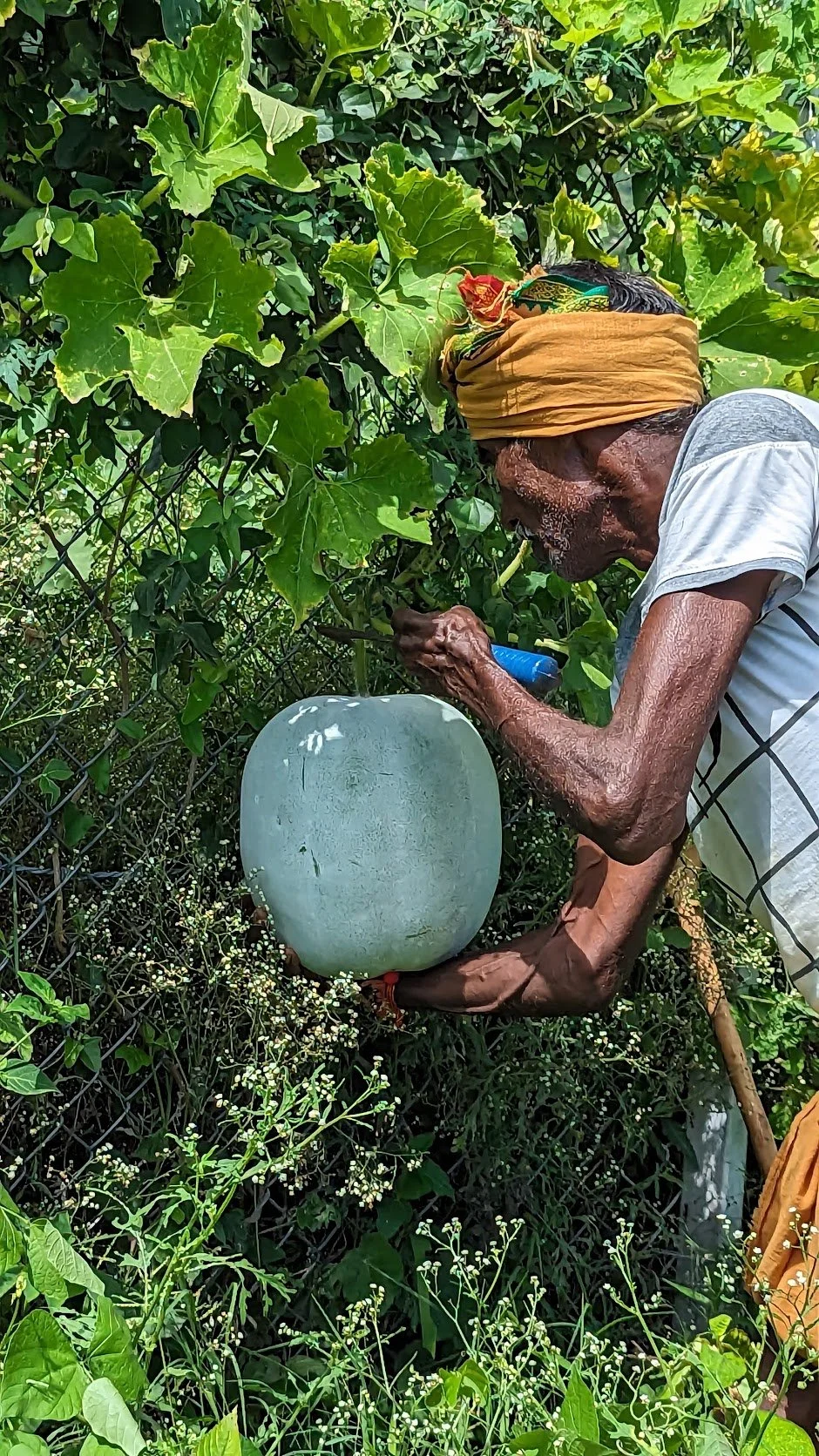
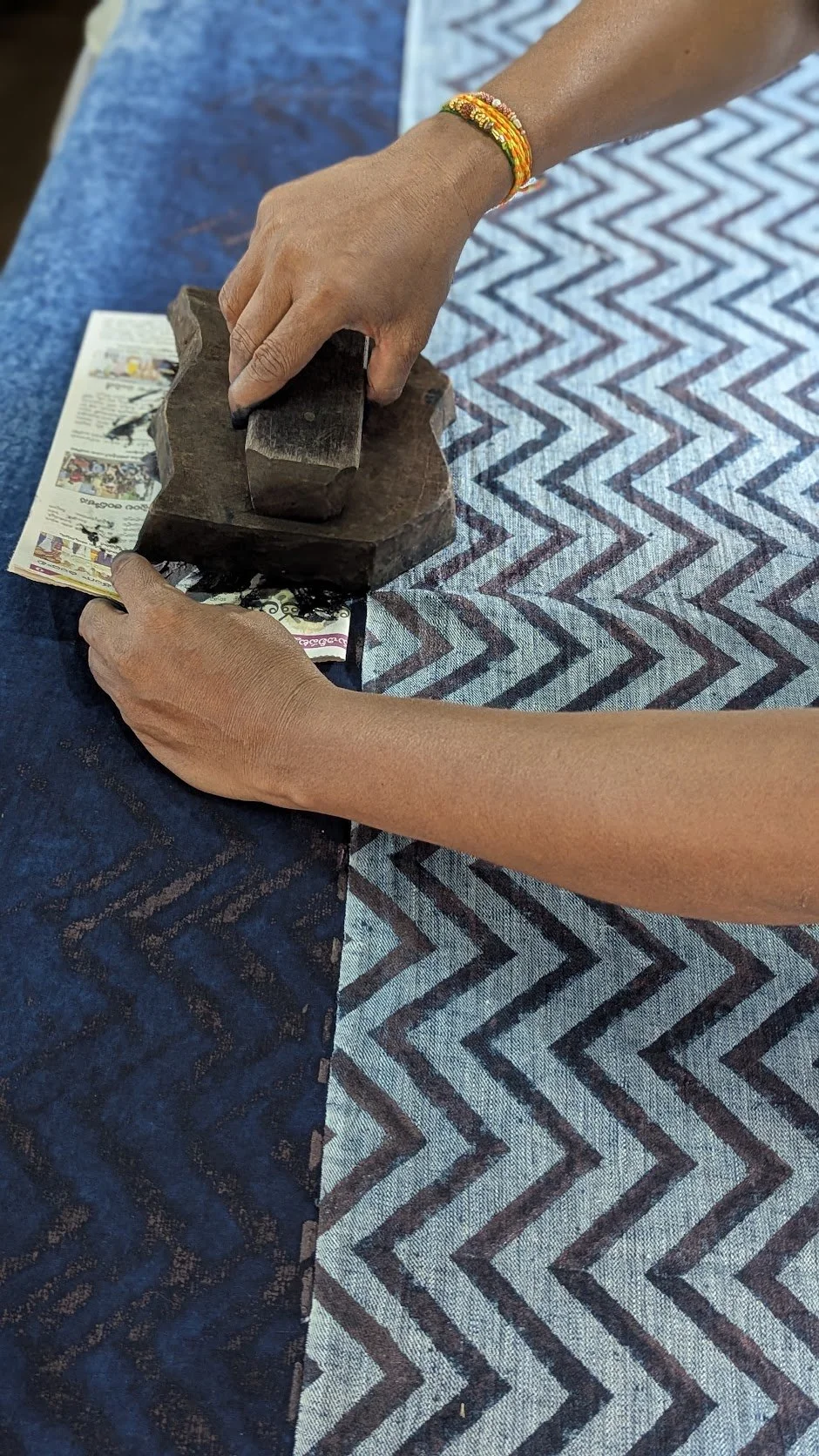
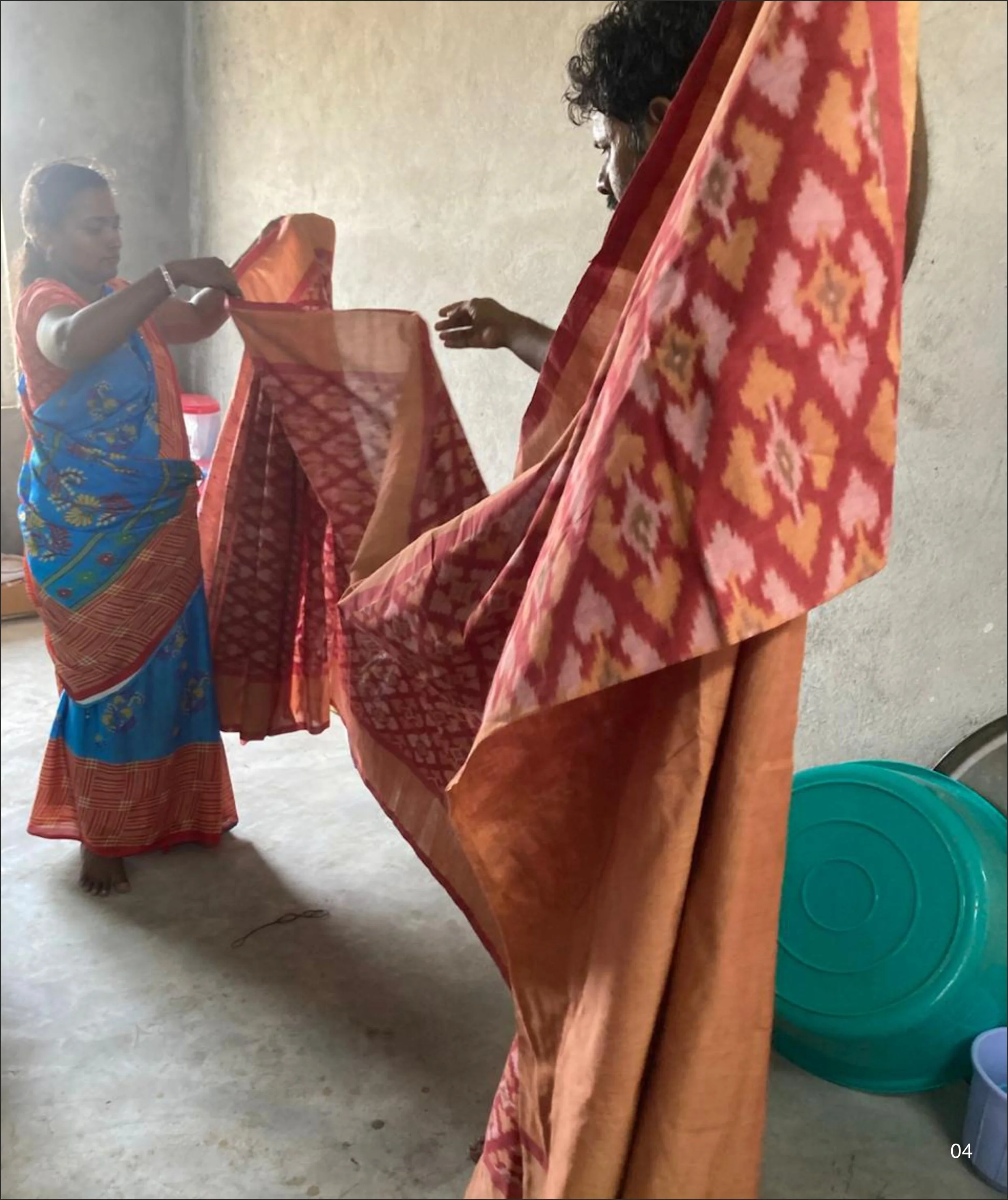
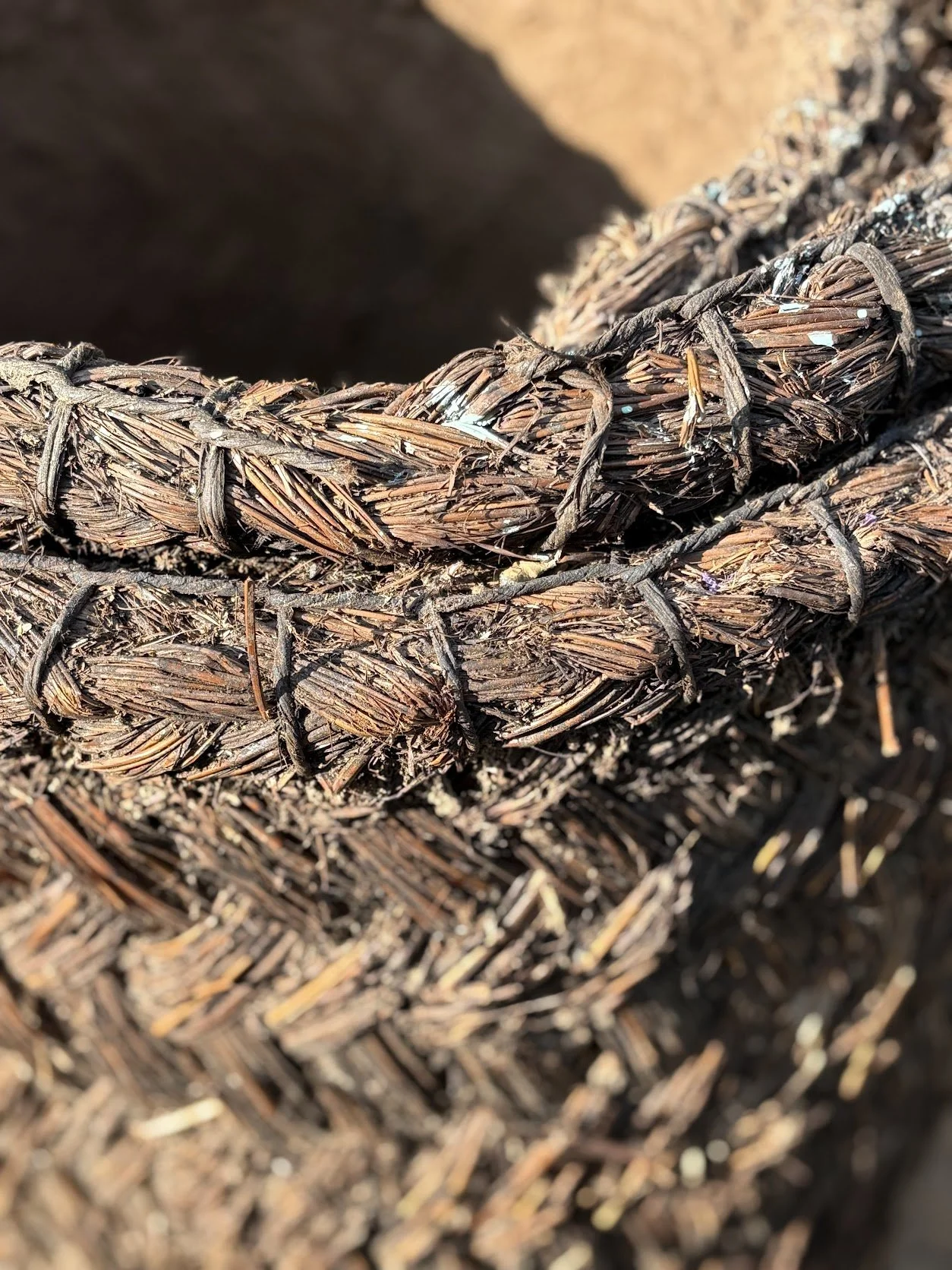
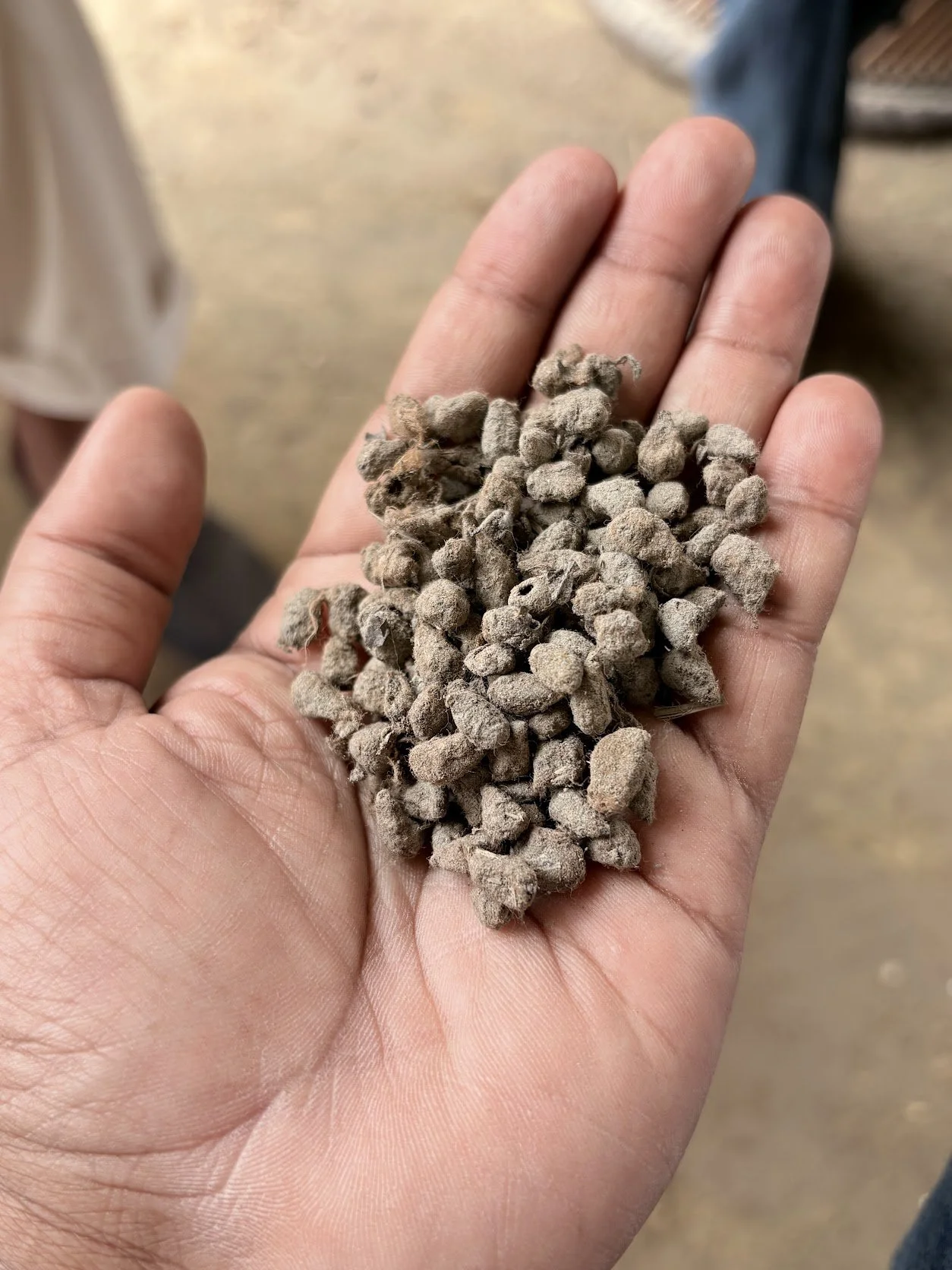
Return / Regenerate
Prepare / Make
Grow / Gather
Repair / Reuse
Use / Maintain
THE SYSTEMS WE WANT TO STRENGTHEN
A continuing practice
We don’t have everything figured out. We are learning through the work, through the people we meet and through the problems we face along the way.
We are trying to understand what is already around us, what has been lost and what can be done differently. Sometimes it means bringing people together. Sometimes it means using a simple tool instead of a complicated machine. Sometimes it means spending more time helping someone develop a skill rather than investing in more equipment.
We believe good work comes from paying attention, building relationships and giving people the freedom to learn and take responsibility.
At Kora, we want to keep learning, working with people and building local ecosystems that can support themselves and grow with time.